
Conditions we treat
Back pain, sciatica and nerve pain
Back pain is one of the most common reasons people stop doing things they enjoy, and one of the most treatable. Understanding what is happening and what is safe to do is usually the turning point.
What it is
Understanding back pain and sciatica.
Most back pain comes from irritated joints, discs, muscles and ligaments. It can come on suddenly while lifting or twisting, or build over a few days for no clear reason, and it often feels far worse than any damage would explain because the back protects itself by tightening up.
Sciatica is pain travelling down the leg because the sciatic nerve or one of its roots is irritated, often by a disc bulge. Despite the name slipped disc, discs are firmly attached and cannot slip, and many bulges shrink back on their own over months.
Scan findings such as degeneration, arthritis or spinal stenosis are extremely common in people with no back pain and matter less than most people assume. The exception is stenosis that limits how far you can walk, which is worth assessing because a lot can be done about it.
What people notice
- Pain across the low back, often worse getting up from sitting or first thing in the morning
- A sudden catch or spasm that locks you up when you bend or twist
- Pain, pins and needles or numbness travelling into the buttock, thigh, calf or foot
- Leg pain that is worse than the back pain itself
- Aching legs or heaviness that comes on after walking a certain distance and eases when you sit or lean forwards
- Difficulty with socks, shoes, the car and getting comfortable in bed
- Fear of moving or lifting in case you make it worse
How we help
What treatment actually involves.
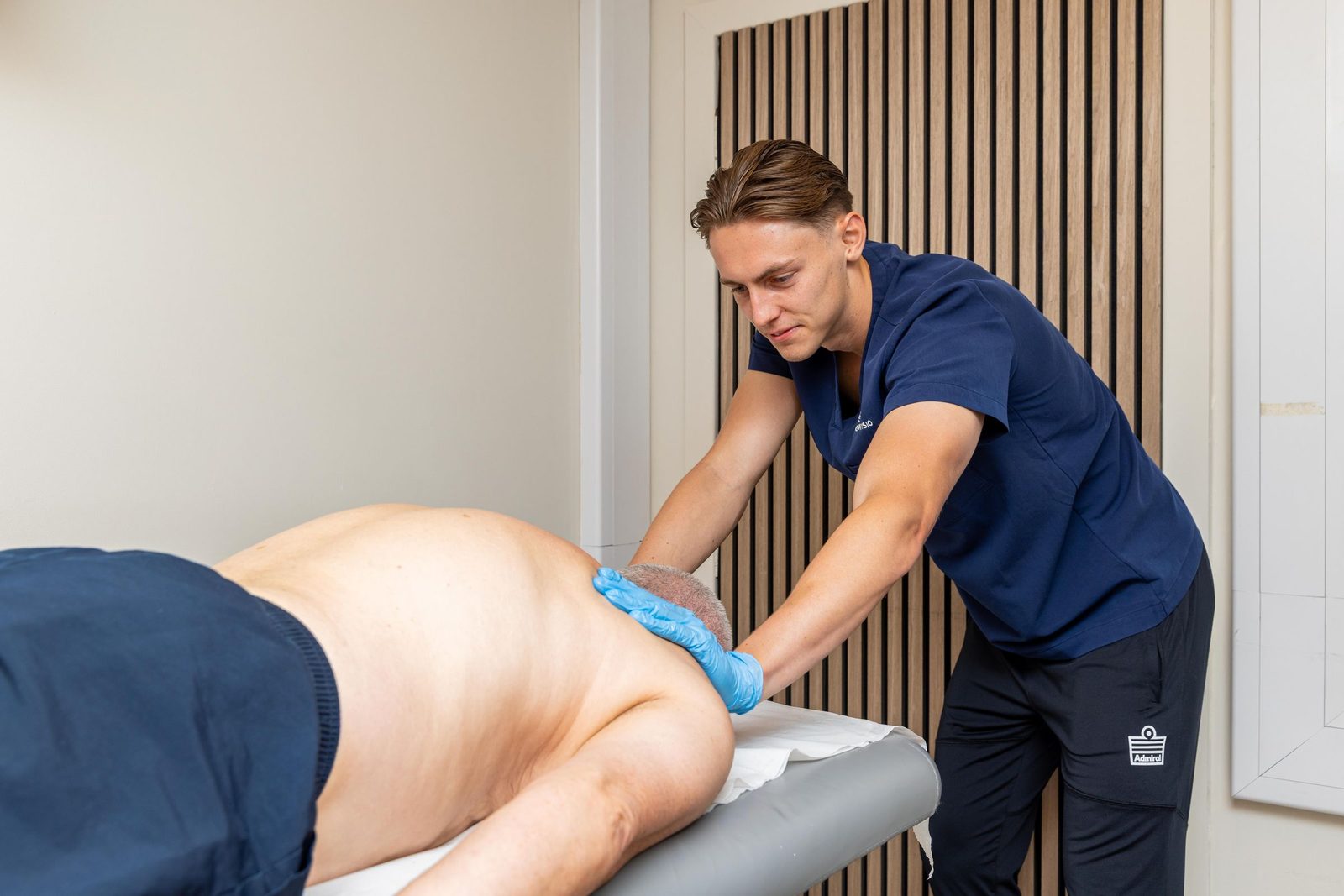
With back pain, the history holds most of the answer. We screen for the few causes that need urgent medical care, check whether a nerve is involved, and assess how you move and which positions and activities help or aggravate you.
Early treatment calms things down and gets you moving, using hands-on work, positions and movements that ease your pattern of pain, advice on medication to discuss with your GP or pharmacist, and clear guidance on what is safe. Staying as active as you reasonably can is one of the strongest predictors of recovery.
We then rebuild strength and confidence through your hips, trunk and legs, progressively and in our rehab gym. If your back pain keeps returning, this is the stage that changes the pattern.
Sciatica can take weeks to months to settle and often gets worse before it gets better, but most people recover without injections or surgery. If recovery stalls or we find signs that warrant it, we will arrange imaging or a specialist opinion.
Your first visit
What to expect.
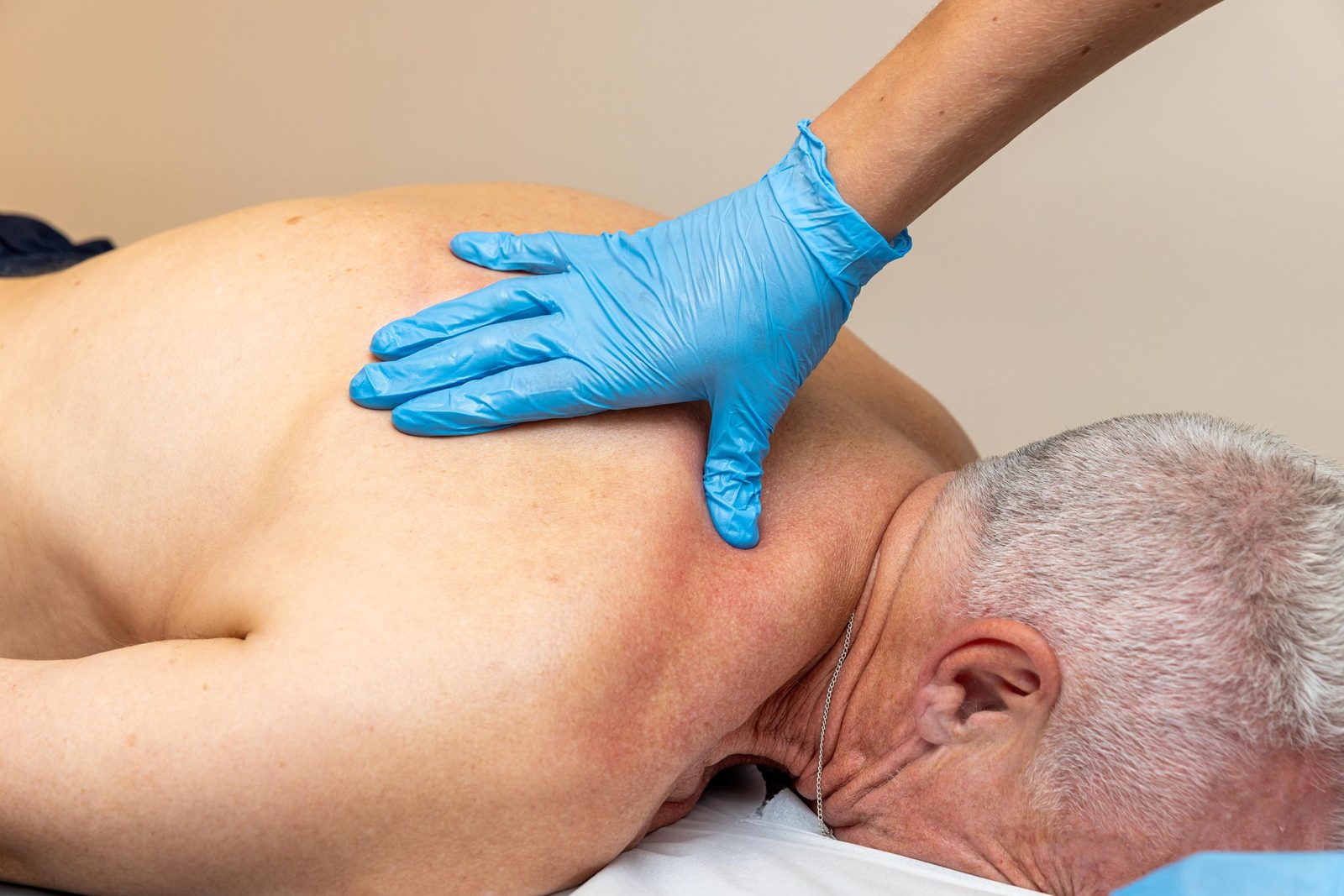
- Your first appointment is 30 minutes, which covers a focused history and examination, or 60 minutes with a Platinum session if your problem is long-standing
- A screen for anything that needs medical rather than physiotherapy care, explained plainly
- An assessment of movement, strength and nerve function, and of the positions that help or hurt
- A starting plan, practical advice for the next few days, and a clear idea of what progress should look like
FAQs
Common questions.
Do I need a scan for my back?
Usually not. Most adults over 40 show changes on a back scan whether or not they have pain, so a scan often adds worry without changing treatment. It is useful when there are signs of something medical, when nerve symptoms are not improving, or when surgery is being considered.
Should I be resting?
For a day or two after a bad flare, do what you need to get comfortable. Beyond that, bed rest makes back pain worse. Gentle regular movement and short walks help, and we will show you how to pace it.
Is my disc going to slip out?
No. Discs are firmly bonded to the vertebrae and cannot slip. Part of a disc can bulge and irritate a nerve, which is painful, but it does not mean your back is unstable, and bulges usually reduce on their own.
Can I be seen without a GP referral?
Yes. You can book directly with us as a self-funding patient, which many people do rather than wait.
If you need a GP, a scan or a specialist, we will write to them with what we have found.
Related
People with this often ask about these too.
Ready when you are.
Call or WhatsApp us on 01702 965 509 and we will find a time that suits you.