
Conditions we treat
Living with long-term pain
Pain that has lasted months or years is real. It usually has less to do with ongoing damage than with a nervous system that has become protective, and that is something you can work on.
What it is
Understanding chronic pain.
Pain is usually described as chronic or persistent when it has lasted longer than about three months, which is beyond the time most tissues take to heal. It affects a large number of people in the UK, and it becomes more common with age.
Pain is not a direct readout of damage. It is produced by the nervous system as protection, based on signals from the tissues combined with sleep, stress, past experience and what you expect a movement to do. When pain persists, the nervous system becomes more sensitive, so a smaller trigger produces a bigger response. It is a real, physical process.
That explains why a scan can look reasonable while pain remains severe, or why pain moves, varies or flares after a stressful week. Sensitivity can be turned down, though it takes time. The realistic goal is less pain, more capability and a life not organised around the symptom.
What people notice
- Pain lasting beyond three months, or long after an injury should have healed
- Pain that varies day to day without an obvious reason
- Widespread aching, or pain that seems to spread beyond the original area
- Heightened sensitivity, where light touch, cold or normal movement hurts
- Poor sleep, fatigue and difficulty concentrating
- Flare-ups after activity, sometimes a day or two later
- Doing less and less, and losing confidence in your body
How we help
What treatment actually involves.
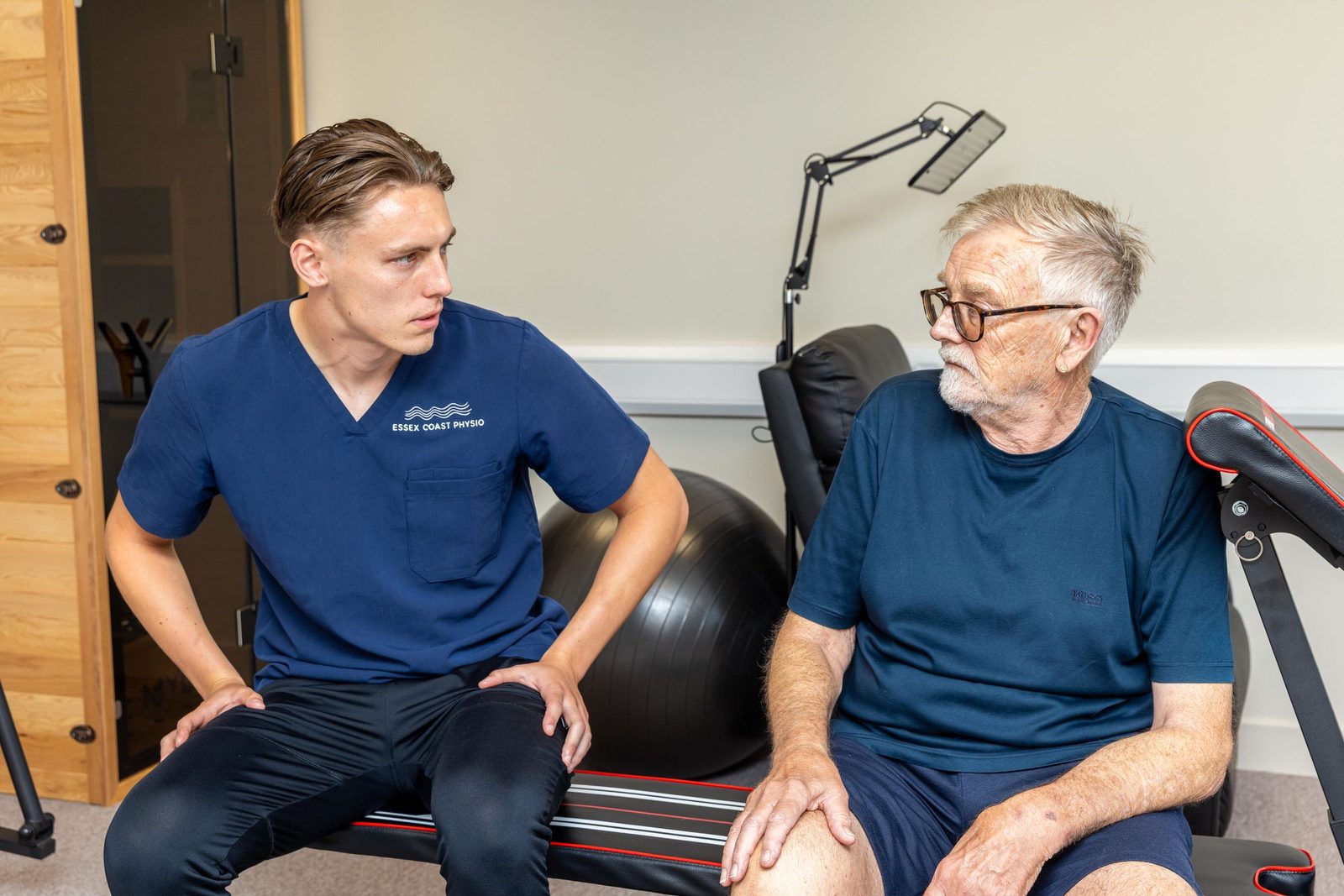
We start by listening properly. Many people with long-term pain have been passed between services, told there is nothing wrong on their scan and left feeling disbelieved. Your first appointment is 30 minutes, or 60 minutes with a Platinum session, and a good part of it is spent understanding your history, what has been tried, what makes things better and worse, and what you want to be able to do again.
We then assess movement, strength and function. It is not a test you can fail, and it often shows you can do more than you expected.
Treatment is built on graded activity: finding a level you can manage without a major flare and building in small steps. Hands-on treatment can ease symptoms as part of the plan. We also look at sleep, pacing and the cycle of overdoing it on a good day and paying for it for three.
We explain how pain works, because understanding it changes how the nervous system responds. We will not promise a cure, and if your GP or a pain service would support you better, we will help you get there.
Your first visit
What to expect.
- Your first appointment is 30 minutes, or 60 minutes with a Platinum session, and most of the early part is talking and listening
- We take a full history, including what has already been tried and what did not work
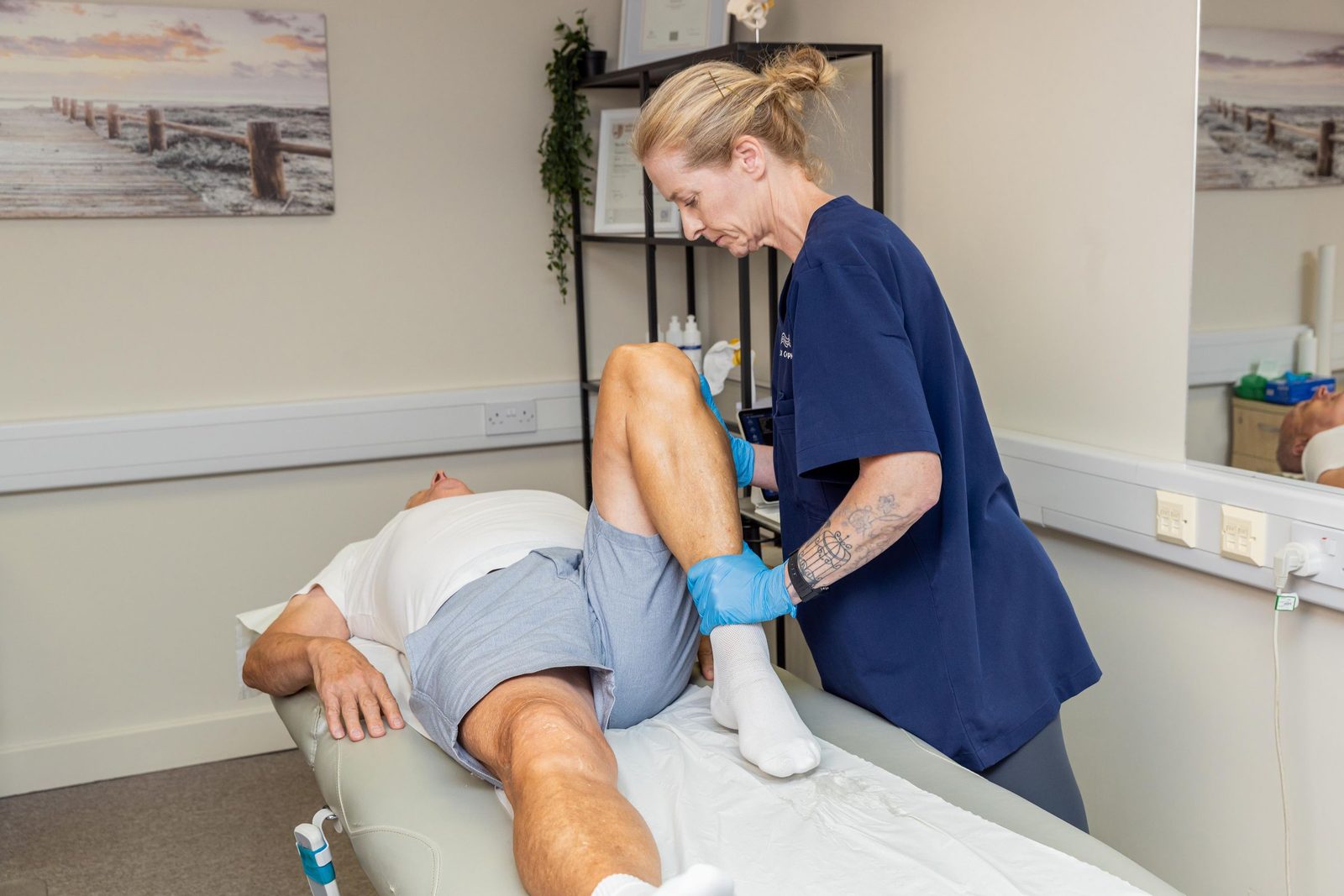
- A gentle assessment of movement and strength, paced so you are not pushed into a flare
- You leave with an explanation of what is driving your pain and a realistic first step
FAQs
Common questions.
Are you saying the pain is all in my head?
No. Your pain is real and produced by real processes in the nervous system. The amount of pain is simply not a measure of damage, which is good news, because it can improve without anything needing to be fixed.
Will exercise make it worse?
Too much too soon can cause a flare. Done properly, graded movement is one of the most effective treatments for persistent pain, and a temporary rise in symptoms as you build up is not a sign of harm.
Can physiotherapy cure chronic pain?
We will not promise that, and be wary of anyone who does. For many people, the realistic result is less pain, better sleep, more strength and doing things they had given up.
I have already had physiotherapy and it did not help. Why would this be different?
It may not be. But a short course aimed at one painful area is different from an approach that considers sensitivity, pacing, strength and what you want your body to do. If you are not progressing after a fair trial, we will tell you.
Related
People with this often ask about these too.
Ready when you are.
Call or WhatsApp us on 01702 965 509 and we will find a time that suits you.