
Conditions we treat
Sports and running injuries
You do not have to be racing anyone to get injured. Most of the sprains and strains we see come from parkrun, the golf course, tennis, the gym or a brisk walk, and most settle well with the right plan.
What it is
Understanding sports and running injuries.
Sprains affect ligaments and strains affect muscle or tendon. They happen either in a single moment, such as a slip, twist or sudden acceleration, or through weeks of quietly doing more than the tissue was ready for.
The second is more common in recreational sport, especially from mid-life: a new class, longer walks, tennis after the winter or five rounds of golf on holiday. Tissue adapts more slowly than enthusiasm, and pain often appears a week or two after the change.
Recovery at 60 is not what it was at 25. Tissue settles more slowly and strength fades faster during time off. That does not mean giving up your sport, just training more deliberately, adding strength work and treating niggles early.
What people notice
- Pain that comes on during or shortly after activity and eases with rest
- A sudden sharp pain, pull or pop in a muscle during exertion
- Swelling, bruising or tenderness over a specific spot
- Stiffness the morning after playing or running
- A joint that feels unstable, weak or that you no longer trust
- Having to shorten, slow down or stop your usual activity
- The same injury flaring up repeatedly each time you return
How we help
What treatment actually involves.
We start with what you were doing, what changed before the pain started and what you want to get back to, whether that is parkrun, Tuesday doubles or 18 holes. Then we examine the injured area and the joints above and below, and test strength so we can measure progress.
Early treatment settles the irritated tissue with hands-on treatment, soft tissue work, taping and advice on how much to keep doing. For a tendon problem that has grumbled for months, shockwave and diagnostic ultrasound are available here.
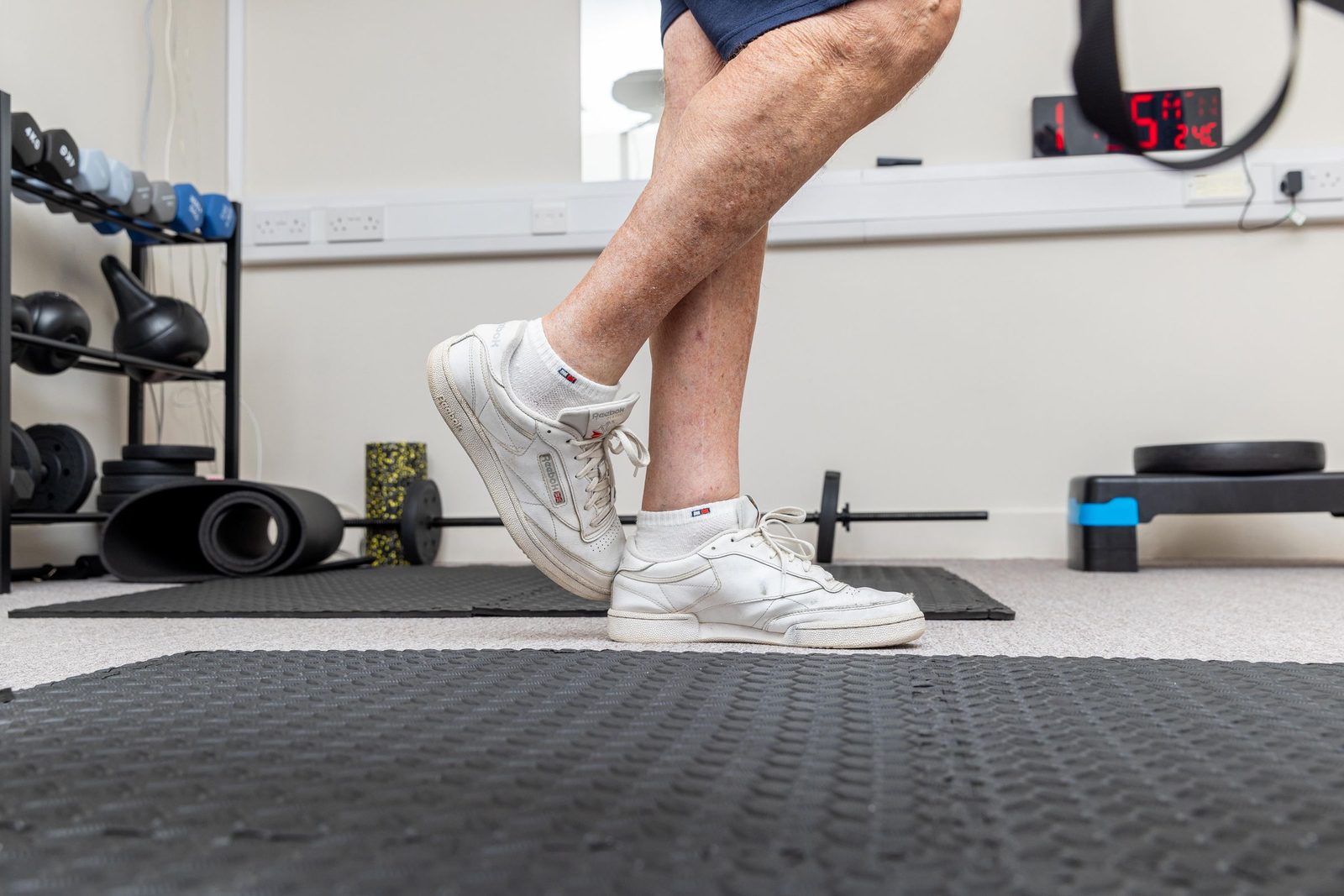
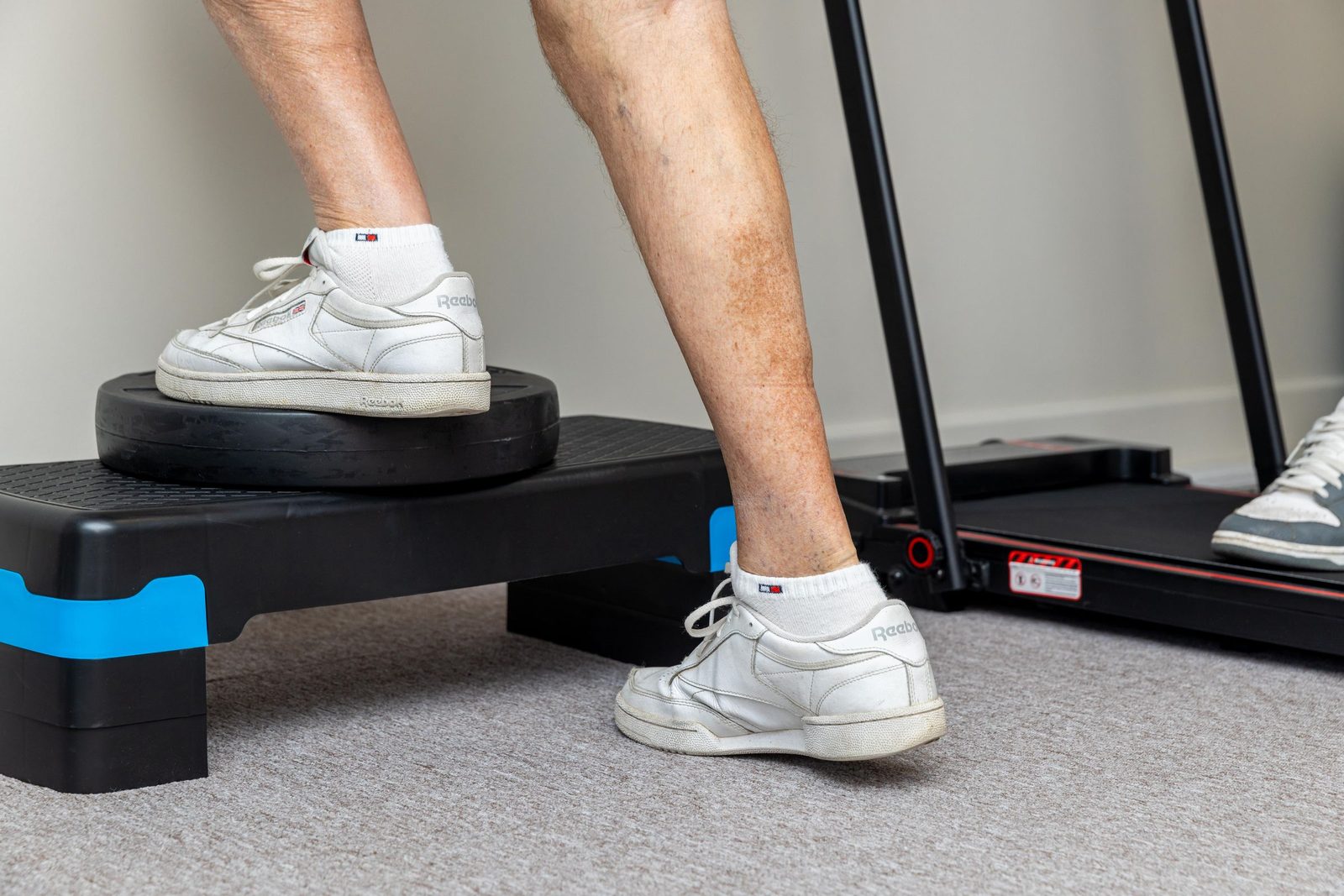
The bigger part is rebuilding the tissue in our rehab gym so it copes with your sport, plus a short home programme you will realistically do.
Finally, we plan a graded return and look at why the injury happened. Most recurrent injuries come down to too much too soon, too little strength work or both, and both are fixable.
Your first visit
What to expect.
- Your first appointment is 30 minutes, including a hands-on assessment and strength testing
- We ask about your sport, your weekly routine and anything that changed before the pain started
- You get an explanation of the injury, a starting plan and your first exercises on the day
- Bring kit you can move in, and your running shoes, boots or clubs if they are relevant
FAQs
Common questions.
Should I stop my sport altogether while it settles?
Rarely. We usually reduce rather than stop, keeping what you tolerate. Complete rest loses fitness and strength quickly and can make another injury more likely.
Is it too late to take up running or the gym at my age?
No. Muscle, tendon and bone respond to training in later life. Start gradually, on a base of strength work, rather than with a plan written for a 30 year old.
Is heat or ice better?
Ice can be comfortable for a fresh, swollen injury, and heat usually suits a stiff, long-standing ache. Neither changes the outcome much, so use what feels better and focus on the rehabilitation.
Do you only treat competitive athletes?
Not at all. Most people we see are recreational, and many are retired. Whether you are aiming for a club match, a charity walk or an active holiday with the grandchildren, the approach is the same.
Related
People with this often ask about these too.
Ready when you are.
Call or WhatsApp us on 01702 965 509 and we will find a time that suits you.